Gratitude

What to Do When You Don't Know What to Do | Grant Troutt
Grant Troutt centers the message on three short verses (1 Thessalonians 5:16-18) as a simple, practical roadmap for what to do when you don't know what to do: rejoice always, pray without ceasing, and give thanks in all circumstances. He explains that rejoicing is a deliberate inward trust in God's character (not a fake happiness), illustrates the difference between formational (a dedicated 'mountain') and situational (all-day, 'walkie-talkie') prayer, and urges persistent, bold petitions.
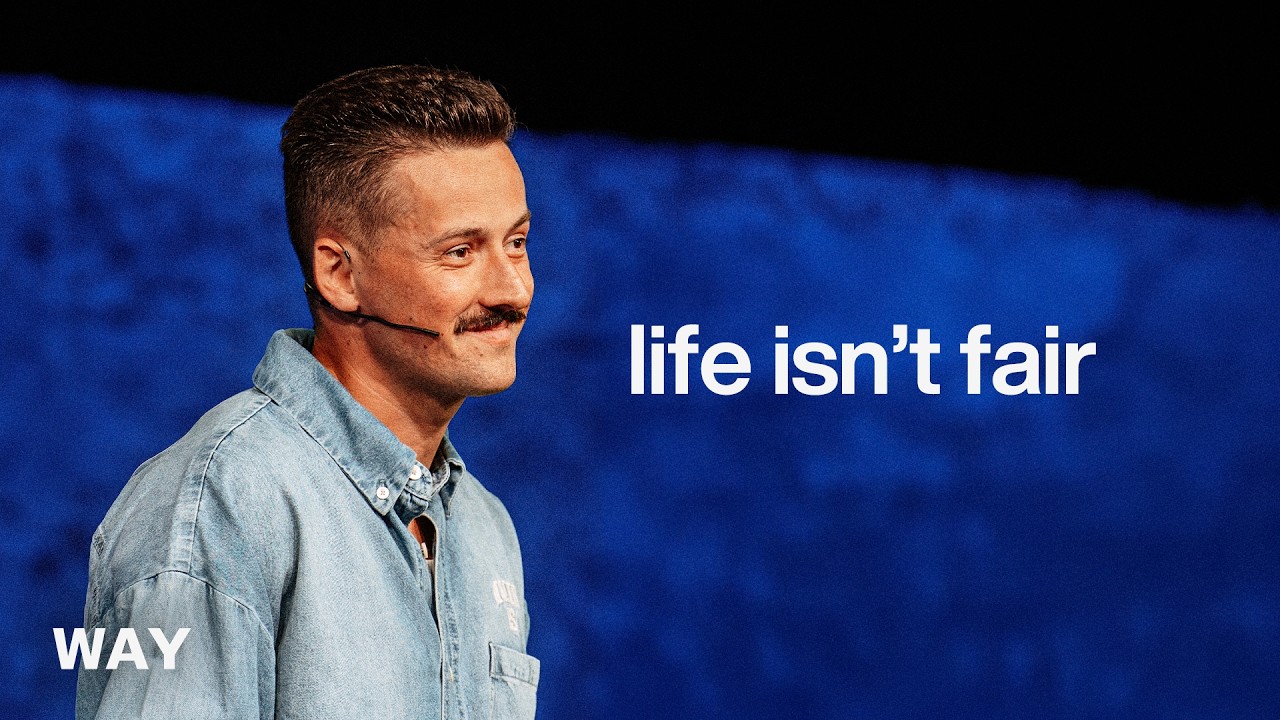
When Life isn't Fair | Noah Herrin
Noah Herrin opens by naming the human instinct to track fairness - his “fairness meter” - and uses everyday examples to show how quickly entitlement and grumbling arise. He reads and explains the parable in Matthew 20 (the landowner and the workers), placing it against the rich young ruler scene in Matthew 19 to show what God values versus what people assume is fair.

You're Using God... | Noah Herrin
Noah Herrin preaches from John 12, contrasting two responses to the resurrection of Lazarus: Mary’s grateful worship and Judas’s utilitarian critique. Mary pours an expensive jar of perfume on Jesus’ feet as an act of worship and surrender; Judas complains it’s a waste and argues the money should be given to the poor, revealing he views Jesus as useful rather than beautiful.
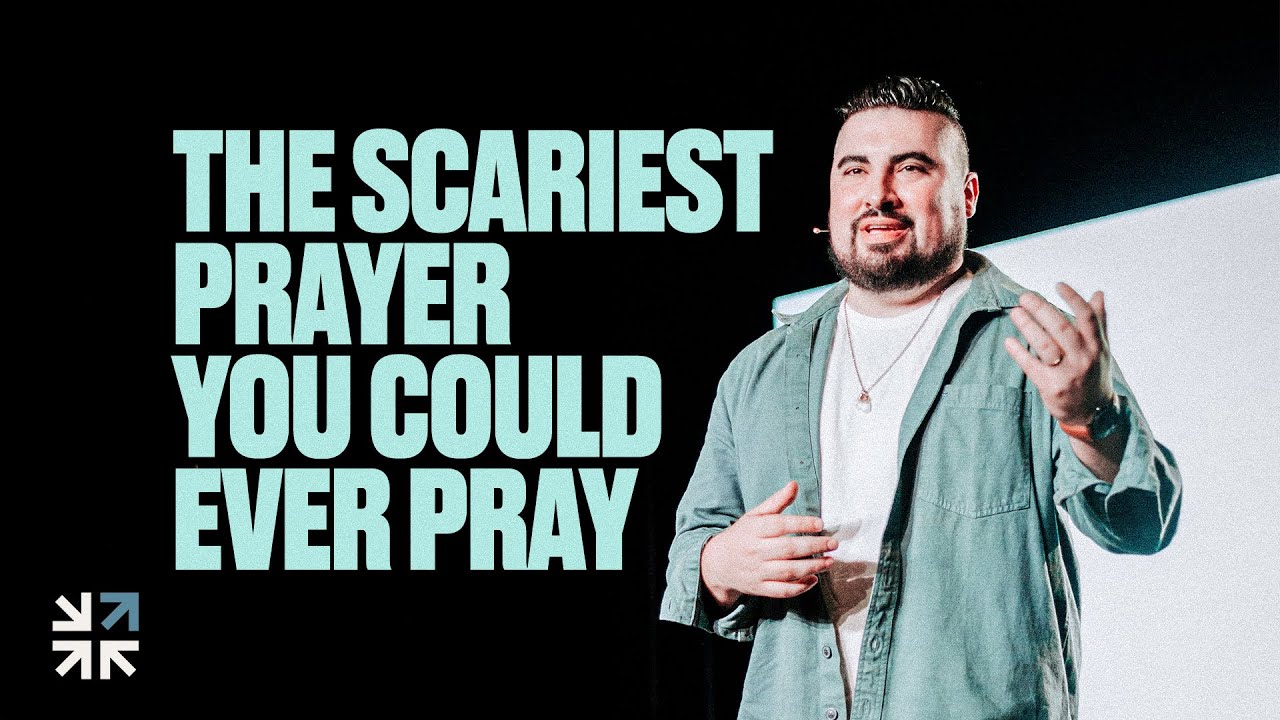
The Scariest Prayer You Could Ever Pray | Grant Skeldon
Grant Skeldon addresses the tension between praying for good things and taking action - how to tell when you're moving in faith versus forcing outcomes. He introduces the “scariest prayer” to pray: surrender your request to God and ask him to bless it if it's from him or block it if it's not.
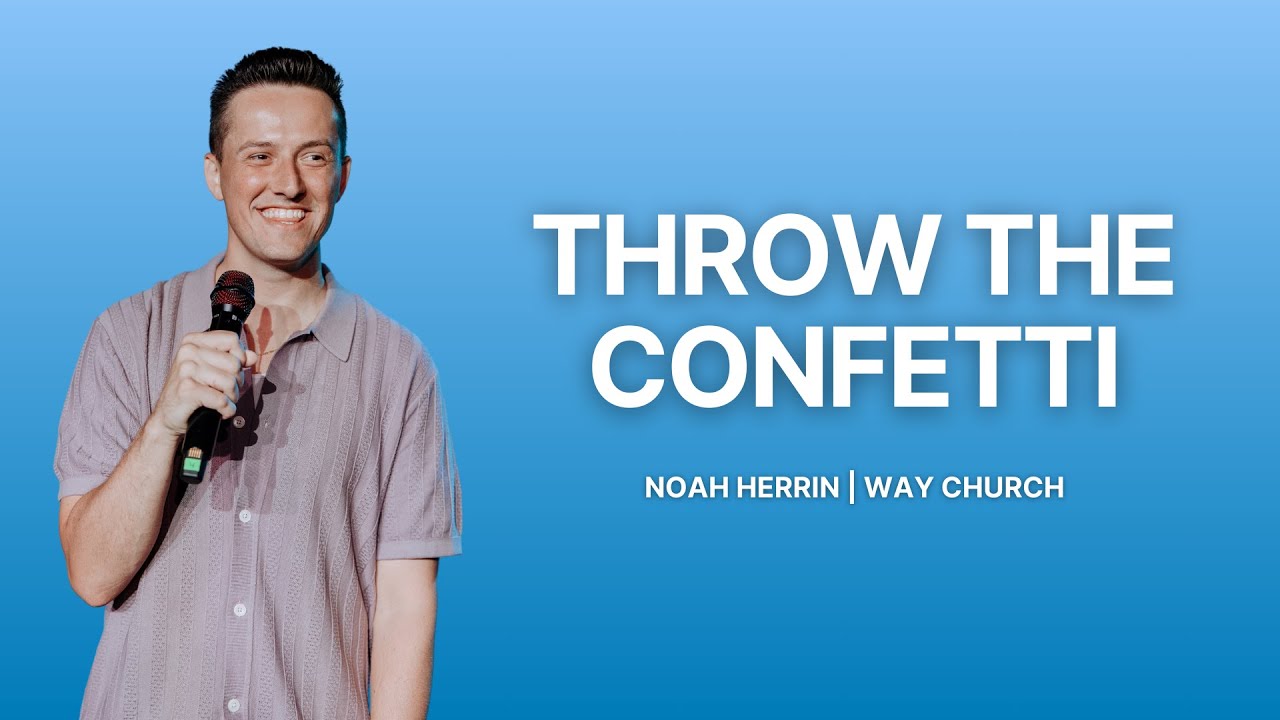
Throw The Confetti - Noah Herrin
Noah Herrin preaches from Philippians 4 urging the church to make gratitude a regular habit - what he calls "throw the confetti." Using Paul's command to "rejoice in the Lord always," he argues that joy is found in the presence of God, not in circumstances, and that thanksgiving in prayer displaces anxiety. Herrin illustrates the habit with personal stories (his wife's daily reminder to "throw confetti," an airport delay danced through, and his own mental-health practices) and practical gospel theology (Paul writing from prison).